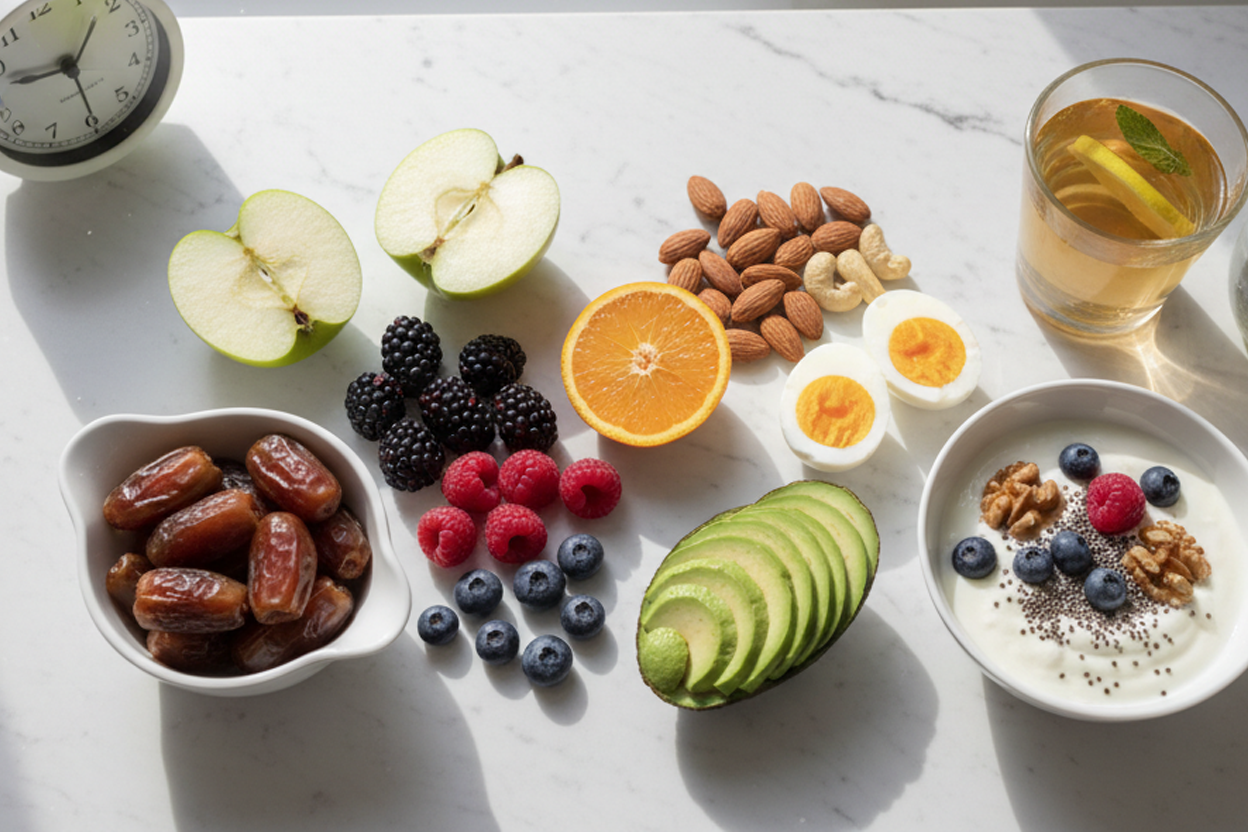
Introduction
Many people begin intermittent fasting with enthusiasm only to feel drained, moody, or unfocused after a few days. The reason? It’s not just when you eat that matters; it’s what you eat that truly fuels your body and mind. If you’ve ever felt fatigued or struggled to maintain energy during your fasting hours, you’re not alone. Finding the right healthy foods to eat during intermittent fasting can make all the difference between a fast that feels rewarding and one that leaves you exhausted.
Intermittent fasting (IF) works best when paired with smart nutrition. It’s about nourishing your body during your eating window so that your fasting period becomes more effective for fat-burning, detoxification, and mental clarity. When your meals are balanced rich in proteins, healthy fats, and smart carbs you not only sustain energy but also support your metabolism and hormonal balance.
In this guide, you’ll discover the best foods to eat during intermittent fasting, the ideal times to consume them, and how these choices align with both scientific understanding and Islamic principles. You’ll also learn practical meal ideas, hydration tips, and what foods to avoid to make your fasting journey more energizing, spiritual, and sustainable.
Understanding What Your Body Needs During Fasting
When you fast, your body undergoes fascinating metabolic shifts. After several hours without food, insulin levels drop, allowing stored fat to be used for energy. Your body shifts into a process known as metabolic switching, during which it transitions from using glucose as its primary energy source to utilizing stored fat for fuel. This process helps with weight management, blood sugar control, and even cellular repair one of the reasons fasting is linked to longevity.
However, during your eating window, what you consume determines how smoothly your body transitions between fasting and feeding states. Foods that provide essential nutrients proteins, healthy fats, fiber, vitamins, and minerals ensure that your energy remains stable and your metabolism efficient. Poor meal choices, on the other hand, can spike insulin, slow fat burning, and leave you feeling sluggish.
Mindful eating also plays a crucial role. Islam encourages balance in consumption not deprivation or excess. Eating moderately and choosing wholesome foods after fasting honors this balance. Scientifically, it supports digestion, prevents overeating, and optimizes nutrient absorption.
By understanding your body’s needs and aligning your eating habits with both health and spiritual wisdom, intermittent fasting becomes a sustainable and enriching lifestyle not just a temporary diet trend.
Best Protein Foods to Eat During Intermittent Fasting
Protein is the foundation of strength, satiety, and recovery especially when you’re fasting. During fasting hours, your body taps into energy reserves, and protein-rich foods during your eating window help rebuild muscle, stabilize blood sugar, and curb hunger for longer periods.
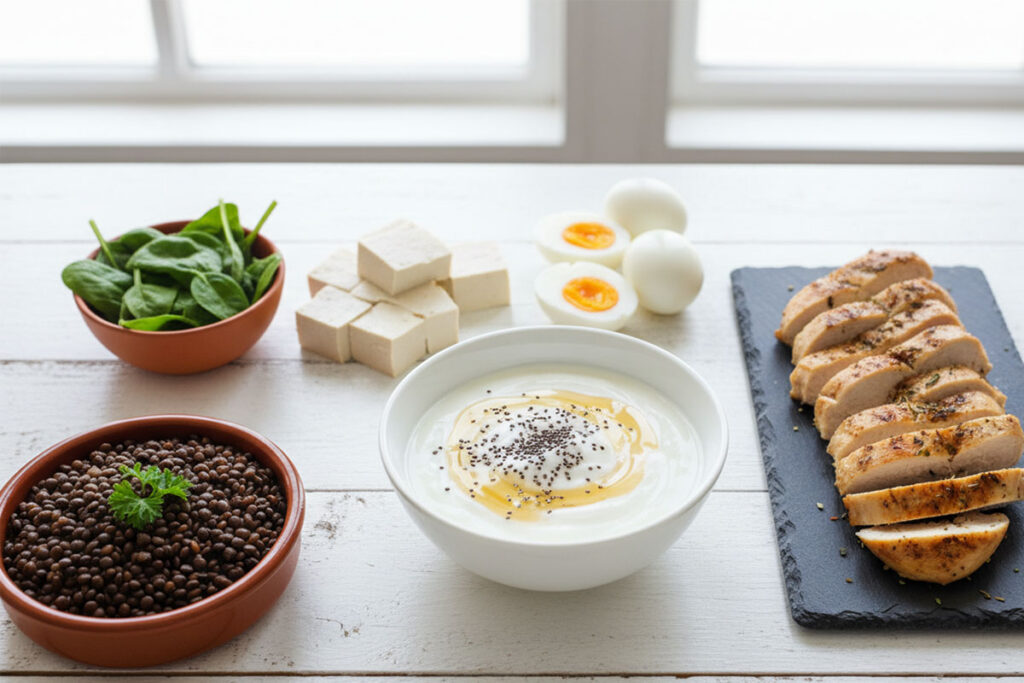
Here are some of the best protein foods to include in your intermittent fasting meal plan:
Eggs
A powerhouse of nutrition, eggs provide high-quality protein and essential amino acids. They are also rich in vitamin B12 and choline, which support brain health. Start your first meal after fasting with scrambled eggs or a veggie omelet it’s easy to digest and sets the tone for balanced energy.
Fish (Salmon, Tuna, or Sardines)
Fatty fishlike salmon and tuna offer lean protein plus omega-3 fatty acids, which reduce inflammation and promote heart health. Try pairing grilled salmon with steamed vegetables or quinoa for a nutrient-dense post-fast dinner.
Lentils and Legumes
For vegetarians, lentils, chickpeas, and beans are fantastic sources of plant-based protein and fiber. They keep you full, stabilize glucose levels, and support gut health. Add them to soups or salads for a light yet satisfying meal.
Greek Yogurt
Greek yogurt is rich in probiotics and protein, making it perfect for digestion and muscle recovery. Top it with chia seeds and a handful of berries for a refreshing and balanced suhoor or post-fast meal.
Chicken Breast or Tofu
Lean proteins like chicken breast help repair muscles and enhance satiety without adding excess calories. Tofu is a great alternative for vegans versatile and rich in essential amino acids.
When to eat them
Ideally, consume protein as part of your first or second meal after breaking your fast. This helps repair tissues, regulate appetite hormones, and maintain lean muscle mass especially if you exercise during your fasting routine.
Healthy Fats for Energy and Hormonal Balance
Many people fear fats, but healthy fats are essential particularly during intermittent fasting. They provide long-lasting energy, support brain function, and help your body absorb fat-soluble vitamins (A, D, E, and K). Including the right kinds of fats during your eating window can help you stay full longer and keep your hormones balanced.
Top Healthy Fats to Include:
• Avocados: Packed with monounsaturated fats, potassium, and fiber. Add sliced avocado to your salad or spread it on whole-grain toast for a creamy, satisfying meal.
• Nuts and Seeds: Almonds, walnuts, flaxseeds, and chia seeds offer a blend of healthy fats, protein, and magnesium. A small handful is enough to boost your energy and keep cravings at bay.
• Olive Oil: Known as a Mediterranean diet staple, olive oil reduces inflammation and supports heart health. Use it as a salad dressing or drizzle it over grilled vegetables.
• Fatty Fish: Salmon, mackerel, and sardines provide omega-3 fatty acids that reduce stress and improve mental focus ideal for long fasting days.
• Chia Seeds: These tiny seeds expand in water, helping with hydration while offering a dose of omega-3s and fiber.
Portion control matters. Healthy fats are calorie-dense, so moderation is key. About one to two tablespoons of olive oil or a small handful of nuts is enough to gain the benefits without overloading calories.
Fats also slow digestion, helping maintain steady energy throughout your fasting period. Including them in your meals allows you to feel nourished not deprived while supporting your hormones and brain health.
Smart Carbohydrates for Steady Energy
Carbohydrates aren’t the enemy; it’s the type of carbs that matters. Smart carbs those rich in fiber and nutrients release energy slowly, keeping your blood sugar stable and your mood steady during fasting.
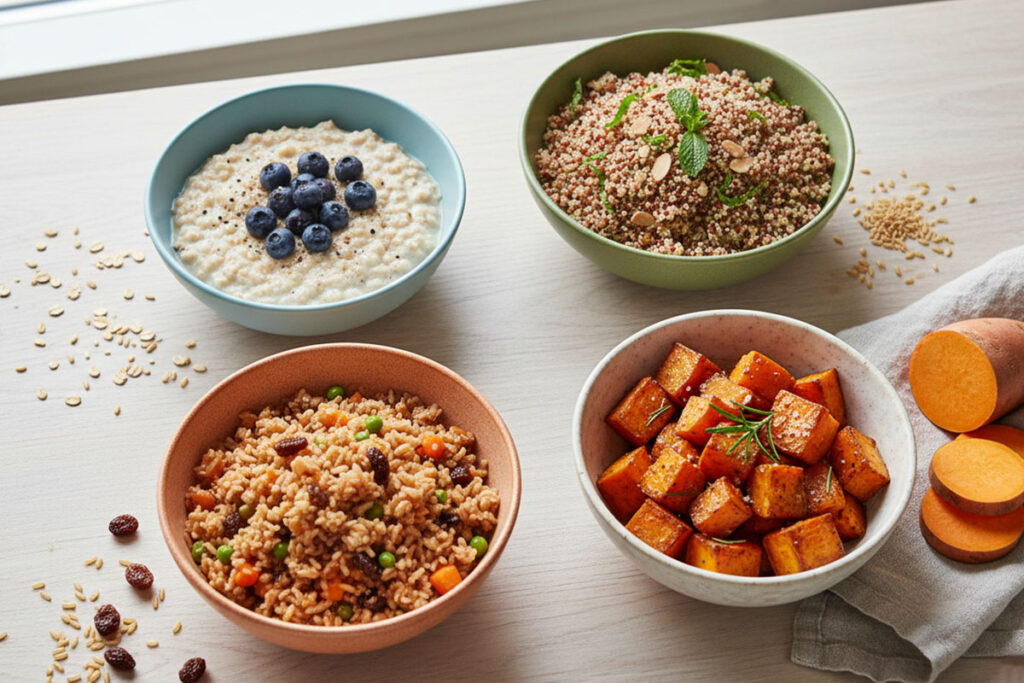
Whole Grains (Oats, Quinoa, and Brown Rice)
Whole grains are excellent sources of complex carbohydrates that digest slowly, preventing sugar spikes. Oatmeal for suhoor or a small serving of brown rice with vegetables after breaking your fast can provide lasting energy and satiety.
Sweet Potatoes
Sweet potatoes are loaded with beta-carotene, fiber, and antioxidants. They’re easy on the stomach and a great source of slow-releasing energy perfect for breaking a long fast. Bake or steam them and enjoy with a touch of olive oil and herbs.
Fruits — Especially Dates
Dates hold a special place in Islamic tradition. The PROPHET MUHAMMAD ﷺ would break his fast with dates and water, a Sunnah that holds both spiritual and nutritional value. Dates are rich in natural sugars, potassium, and fiber making them ideal for quickly replenishing energy after fasting.
Other great fruits include bananas, berries, apples, and melons, all of which provide hydration, vitamins, and fiber. Combine fruits with protein or healthy fats (like yogurt or nuts) to balance your blood sugar and sustain energy.
Smart carbs, when consumed wisely, help maintain the delicate balance between energy and blood sugar allowing your fasts to feel revitalizing rather than exhausting.
Hydration and Beverages
Hydration is often overlooked but is critical during intermittent fasting. Water supports digestion, metabolism, and detoxification, helping your body flush out toxins and regulate temperature. Dehydration, on the other hand, can lead to fatigue, headaches, and poor concentration.
Water-Rich Foods
Include foods like cucumbers, melons, oranges, and celery during your eating window to help maintain hydration naturally. These foods not only provide water but also deliver electrolytes such as potassium and magnesium.
Best Beverages During Fasting
• Water: The foundation of good hydration. Drink plenty during your eating window — aim for at least 2–3 liters daily.
• Herbal Teas: Chamomile, mint, or green tea can soothe digestion and boost metabolism.
• Black Coffee: Great for mental focus and energy, but consume in moderation to avoid dehydration.
• Coconut Water: Natural electrolytes make it an excellent choice post-fast.
Avoid sugary drinks, soda, or energy drinks, as they spike blood sugar and lead to dehydration later.
During your fasting window, stick to water, black coffee, or unsweetened tea these won’t break your fast and help keep hunger in check.
Foods to Avoid During Intermittent Fasting
What you avoid is just as important as what you eat. Certain foods can sabotage your fasting results, spike blood sugar, and leave you feeling bloated or sluggish. To make the most of intermittent fasting, steer clear of the following:
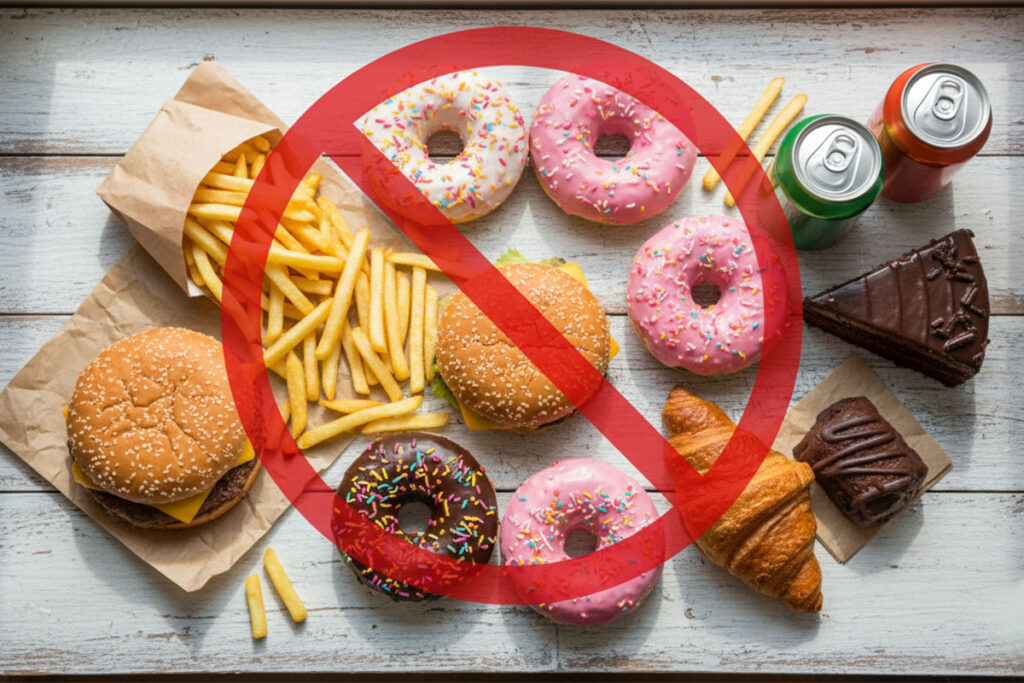
Processed and Fried Foods
Fast food, deep-fried snacks, and processed meats are loaded with trans fats and sodium. These can cause inflammation, water retention, and digestive discomfort. After fasting, your stomach is sensitive filling it with greasy foods can lead to bloating and fatigue instead of nourishment.
Sugary Snacks and Drinks
Candies, desserts, and sweetened beverages cause rapid insulin spikes followed by energy crashes. Consuming them during your eating window disrupts your body’s natural metabolic rhythm and can make fasting harder the next day.
Refined Carbohydrates
White bread, pasta, pastries, and other refined grains are stripped of fiber and nutrients. They digest quickly, leaving you hungry soon after eating. Replace them with whole-grain alternatives like brown rice, oats, or quinoa for better blood sugar control.
Artificial Sweeteners
While sugar-free drinks or “diet” foods might seem like smart choices, many artificial sweeteners can increase cravings and affect gut health. Stick to natural sweeteners like honey or dates in small amounts.
Overeating
After fasting, it’s easy to overeat but doing so can lead to bloating, indigestion and sluggishness. Practice mindful eating: chew slowly, savour each bite and listen to your body’s fullness cues. Remember, fasting is about discipline and balance not deprivation followed by excess.
Avoiding these foods will not only keep you energized but also make your fasting experience healthy and spiritually uplifting.
Portion Control Tips
• Fill half your plate with veggies, a quarter with lean protein and a quarter with whole grains or starchy carbs.
• Don’t eat before bed, leave at least 2-3 hours for digestion.
• Stay hydrated between meals; dehydration often feels like hunger.
Mindful Eating Tips
• Eat slowly and avoid distractions (like screens).
• Stop when you’re 80% full — this aligns beautifully with the principle of moderation.
• Plan your meals ahead to avoid impulsive or processed food choices.
This balanced routine will keep you energized and focused and your digestion and spiritual connection throughout your fasting journey.
Islamic Perspective on Eating During Fasting
Intermittent fasting beautifully aligns with the teachings of Islam, which emphasize moderation, gratitude, and self-discipline. Islam encourages believers to eat mindfully, avoid extravagance, and recognize that food is a blessing from Allah, not to be wasted or abused.
Moderation in Eating
Quran:
Allah Almighty says: “And eat and drink, but do not be excessive. Indeed, ALLAH likes not those who commit excess.”
Explanation:
This verse beautifully summarizes the essence of intermittent fasting to maintain balance and self-control in what and how much we consume. Both science and faith remind us that moderation sustains physical health and enhances spiritual awareness. Fasting is not about deprivation, but about mindfulness and gratitude for what Allah provides.
Sunnah of the Prophet ﷺ:
Hadees:
The Prophet Muhammad ﷺ used to break his fast with fresh dates before performing prayer. If no (fresh) dates were available, he would break it with dry dates, and if none were available, he would take a few sips of water.
Sunnan Abu Dawood (2356) ; Jam-e-Tirmazi (696)
Explanation:
This Sunnah reflects both spiritual and practical wisdom. Dates are rich in natural sugars that restore energy quickly, and water rehydrates the body gently after fasting. It’s a balanced, prophetic approach that combines faith with nourishment.
The Prophet’s ﷺ Guidance on Eating Moderately
Hadees:
“A person fills no vessel more detrimental than their own stomach. It is sufficient for the son of Adam to eat a few meals to maintain his backbone. If that is unavoidable, then a third should be for his food, a third for his drink, and a third for his breath.”
Sunnan Ibn e Maja (3349) ; Jam-e-Tirmazi (2380)
Explanation:
This Hadith teaches us the golden rule of balanced eating. Modern nutrition confirms that overeating burdens digestion and reduces vitality. The Prophet’s ﷺ guidance encourages believers to eat enough to maintain strength but not to excess. It’s a timeless principle for both spiritual mindfulness and physical health.
Gratitude and Discipline
Fasting is more than abstaining from food; it’s about self-control, reflection, and gratitude. By eating wholesome foods and avoiding extravagance, we align our physical nourishment with our spiritual growth. Gratitude transforms every meal into an act of worship and mindfulness.
When you honor your fast with the right foods and intention, your body thrives and your heart finds deeper peace.
Islam’s message on food and fasting goes far beyond physical discipline it is a reminder of gratitude, balance, and self-restraint. When Muslims practice intermittent fasting with these teachings in mind, it becomes more than a health habit it becomes an act of worship and reflection.
Conclusion
Intermittent fasting is not just a dietary strategy; it’s a holistic practice that nurtures both the body and soul. Choosing healthy foods to eat during intermittent fasting transforms fatigue into focus and hunger into healing. From protein-packed meals to energy-sustaining carbs and hydration-rich foods, every choice you make supports your body’s natural rhythm.
Islam beautifully complements this lifestyle by emphasizing moderation, gratitude, and mindful eating. When you break your fast with intention, balance your nutrients, and stay hydrated, you create harmony between physical health and spiritual wellness.
So, as you continue your fasting journey nourish your body, honor your fast, and stay consistent. Let your meals be a source of strength, clarity, and gratitude.
FAQs
What should I eat when I break my fast?
Start with dates and water, as per Sunnah. Then, enjoy a balanced meal with lean protein (like fish or chicken), whole grains, and vegetables to restore energy gently.
What foods should I avoid while fasting?
Avoid fried foods, processed snacks, refined carbs, and sugary drinks. These disrupt metabolism and make fasting more difficult the next day.
Is intermittent fasting healthy for everyone?
Intermittent fasting is generally safe for most adults, but people with diabetes, pregnancy, or certain medical conditions should consult a doctor before starting.
Can I eat fruits or smoothies during my eating window?
Yes! Fruits like bananas, berries, and dates are great choices. Smoothies made with Greek yogurt, fruits, and seeds are excellent for hydration and nutrient balance.
How can I stay energized and hydrated during fasting?
Drink plenty of water during your eating window, include water-rich foods (like cucumbers and melons), and prioritize protein and healthy fats for sustained energy.
What are the best healthy foods to eat during intermittent fasting for more energy and better results?
The best healthy foods to eat during intermittent fasting include nutrient-rich options like eggs, Greek yogurt, avocados, lentils, nuts, fruits, and whole grains. These foods provide steady energy, balance blood sugar, and support your body during fasting hours.